パセリは、キャロット科の一年生または二年生の草本であり、一般的に食用や装飾用として広く利用されています。その独特な香りと豊かな栄養価から、料理においしいアクセントを加えるだけでなく、健康への効果も期待されています。古代から愛され、多くの文化で料理に欠かせない存在となっています。パセリの魅力と多彩な用途について、ここでは詳しく紹介します。
パセリの基本情報
| 項目 | 情報 |
|---|---|
| 学名 | Petroselinum crispum |
| 分類 | キャロット科 |
| 別名 | セリ |
| 種類 | 一年生または二年生の草本 |
| 草丈 | 20~70センチメートル |
| 原産地 | 地中海地域 |
| 精油成分 | ミリスチン酸、アピオール、アリルトリスルフィドなど |
| 利用部位 | 葉 |
| 利用法 | 調味料、食材の装飾、香り付け、薬用など |
パセリの特徴
用途
パセリは料理に広く使用されるハーブの一つであり、特に装飾や風味付けに重宝されます。その独特な風味と緑の葉が料理に彩りを与え、見た目の美しさを引き立てます。また、薬用としても利用され、消化促進や体内の毒素排出に効果が期待されます。
効果
パセリには消化を助ける効果や利尿作用があり、特に消化不良やむくみの改善に役立ちます。また、豊富なビタミンやミネラルを含んでおり、栄養補給にも良いです。さらに、口臭や体臭の改善にも効果があります。
歴史
パセリは古代から広く利用されてきた歴史があります。古代ローマやギリシャでは勝利や祝福の象徴とされ、宴席や祭りで使用されました。また、中世ヨーロッパでは魔除けや害虫対策のために庭に植えられることもありました。
香り
パセリは特有の爽やかな香りを持ちます。その香りは薄く甘く、一般的に料理に使われる際には風味として活かされます。また、新鮮なパセリの香りは清涼感があり、料理を引き立てる役割を果たします。
注意点
パセリには、一部の人にとってはアレルギー反応を引き起こす可能性があります。また、摂取量を過剰にすると健康に害を及ぼす場合があるため、適量を守ることが重要です。特に妊娠中や授乳中の方、アレルギー体質の方は、摂取前に医師に相談することをおすすめします。
パセリの育て方
| 項目 | 実施時期 |
|---|---|
| 種まき | 3月から4月 |
| 苗植え | 4月から5月 |
| 収穫 | 6月から10月 |
| 花期 | パセリは一般的に花を咲かせませんが、種を収穫するために花を咲かせることがあります。種を収穫するためには、花が咲く頃に収穫します。種まきから収穫までに数か月かかるため、花期は収穫時期に含まれます。 |
種まき
パセリの種まきは3月から4月が適しています。春の適温であるこの時期に種まきを行うことで、種がしっかりと発芽し成長を始めることができます。種まきの際には、土の表面に直接まいたり、プランターにまいてから地面に植え付けたりする方法が一般的です。
苗植え
パセリの苗植えは4月から5月に行います。種から苗が育って数週間が経過した頃が適した時期です。苗植えの際には、植え付ける場所の土壌を十分に肥沃にしておくことが大切です。適切な間隔で植え付けることで、パセリが健康に成長します。
収穫
パセリの収穫時期は、6月から10月にかけてです。パセリは一般的に花を咲かせませんが、種を収穫するために花を咲かせることがあります。収穫時には、葉を切り取る際に植物全体に負担をかけないように注意します。また、天気の良い日に収穫すると葉の香りがより豊かになります。
花期
パセリは一般的に花を咲かせることはありませんが、種を収穫するために花が咲くことがあります。花期は収穫時期に含まれ、種まきから収穫までに数か月かかるため、花期は収穫時期に重なります。
パセリを上手に育てるポイント
場所選びについて
パセリは日当たりが良く、風通しの良い場所を好みます。日中に充分な日光を浴びることができる場所を選びましょう。また、湿気の少ない場所が適しています。直射日光が強すぎる場合は、午後の日差しを避けるようにしましょう。
肥料について
パセリは肥沃な土壌を好みますが、肥料の過剰な施しは避けましょう。適度な有機質の肥料を土に混ぜ込むことで、健康な成長を促します。春先に施肥すると良いでしょう。また、定期的な追肥を行い、栄養を補給することが大切です。
水やりについて
パセリは乾燥に強い植物ですが、過剰な水やりは根腐れの原因になりますので、土が乾いたら適度に水を与える程度で良いでしょう。特に梅雨の時期や冬場は、水はけの良い環境を確保することが重要です。水やりは朝または夕方に行い、葉に水がかからないように注意しましょう。
鉢植えする場合の注意
パセリを鉢植えする場合は、排水性の良い土を使用しましょう。また、鉢の底には必ず穴を開けて水が溜まらないようにします。鉢のサイズは株の成長に合わせて選び、必要に応じて定期的に植え替えを行います。また、鉢植えの場合は、根が逃げ場を失うことで根腐れのリスクが高まるため、十分な管理が必要です。
その他ポイント
パセリは一般的に病気や害虫に強いですが、時折、アブラムシが寄り付くことがあります。アブラムシが発生した場合は、早めに対処しましょう。また、花が咲く季節には花を楽しむだけでなく、収穫することで植物の成長を促進します。収穫する際は、植物全体に負担をかけないように注意し、新しい葉が成長できるようにします。
パセリは手間のかからないハーブの一つですが、適切なケアを行うことでより美味しい葉を収穫することができます。以上のポイントを参考に、パセリを上手に育ててみてください。
パセリの種類
パセリには、主に次の2つの一般的な種類があります。
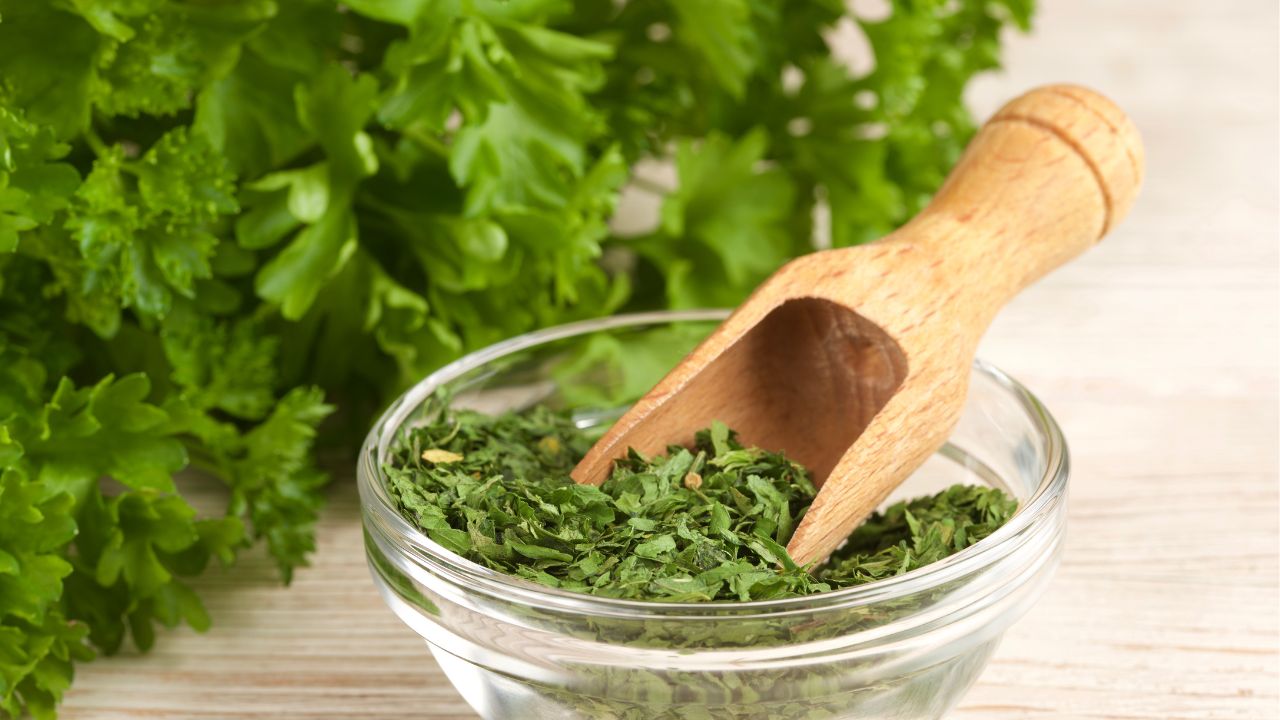
- カーリーパセリ(Curly Parsley): カーリーパセリは葉がくるくると巻いており、その特徴的な外観から装飾用途によく使用されます。風味も豊かで、料理の仕上げに彩りを添えます。
- イタリアンパセリ(Italian Parsley): イタリアンパセリは葉が平らで、カーリーパセリよりも平らな形状をしています。風味はより強く、料理に深い味わいを与えます。料理の材料として広く使われるほか、ハーブティーや料理の仕上げにも利用されます。
パセリについてまとめ
パセリは、料理に広く使用されるハーブであり、その独特な風味と豊かな栄養価から、料理のアクセントを加えるだけでなく、健康にも良い影響を与えます。
古代から愛され、多くの文化で料理に欠かせない存在となっています。種類には、カーリーパセリとイタリアンパセリの2種類があります。
パセリの育て方には、適切な場所選びや肥料の管理、水やりのタイミングが重要です。病気や害虫に強い傾向がありますが、定期的な管理が必要です。適切なケアを行うことで、美味しい葉を収穫することができます。